The top 3 Google Maps results receive most clicks. Are you among them? If not, most of your potential customers go to the competitors listed there.
What is the Map Pack?
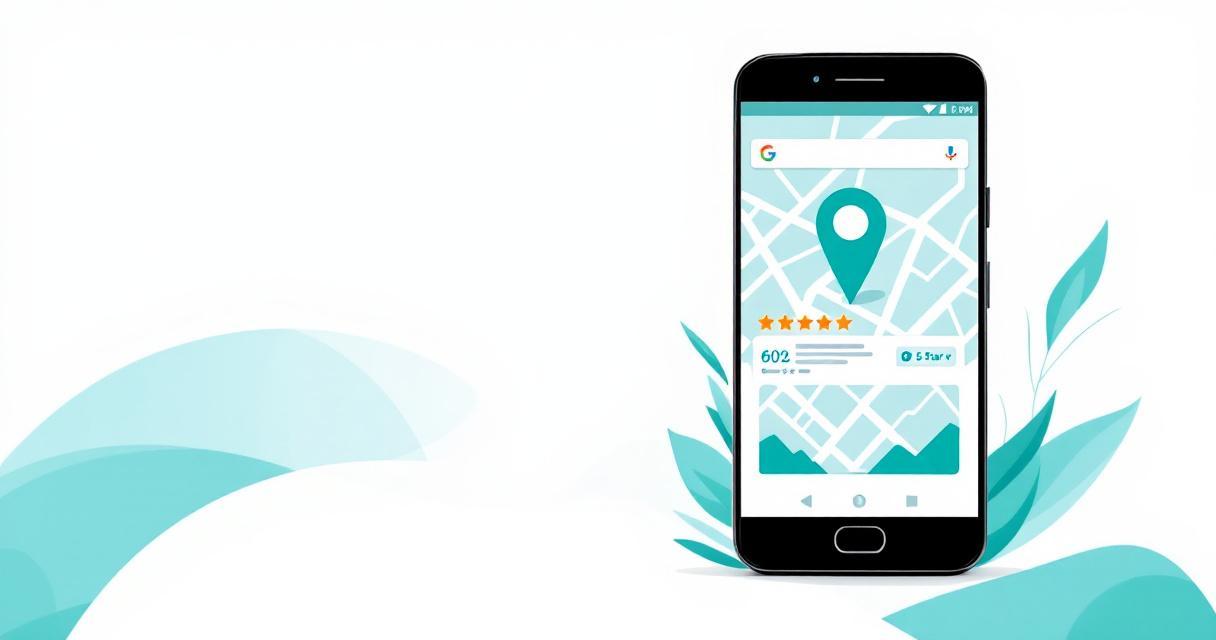
When you run a local Google search — for example “hairdresser Vienna” or “carpenter near me” — a box with three listings and a map appears above the normal results. That is the Map Pack. Also called the Local Pack or 3-Pack.
Those three places are a very valuable position in local Google search. Businesses listed there get calls. Those that are not get the leftovers. That is the harsh reality of local search.
The three ranking factors
Google determines who enters the Map Pack using three main factors:
- Relevance. How well does your business profile match the search? If someone searches for “plumber heating” and your profile lists “heating installation” as a service, you are relevant.
- Distance. How close is your location to the searcher? Google knows where the user is and favours nearby results. You have little control over this — but much more over the other two factors.
- Prominence. How prominent is your business online? Reviews, mentions on other websites, your own website, social media presence — all contribute.
Optimising your Google Business Profile
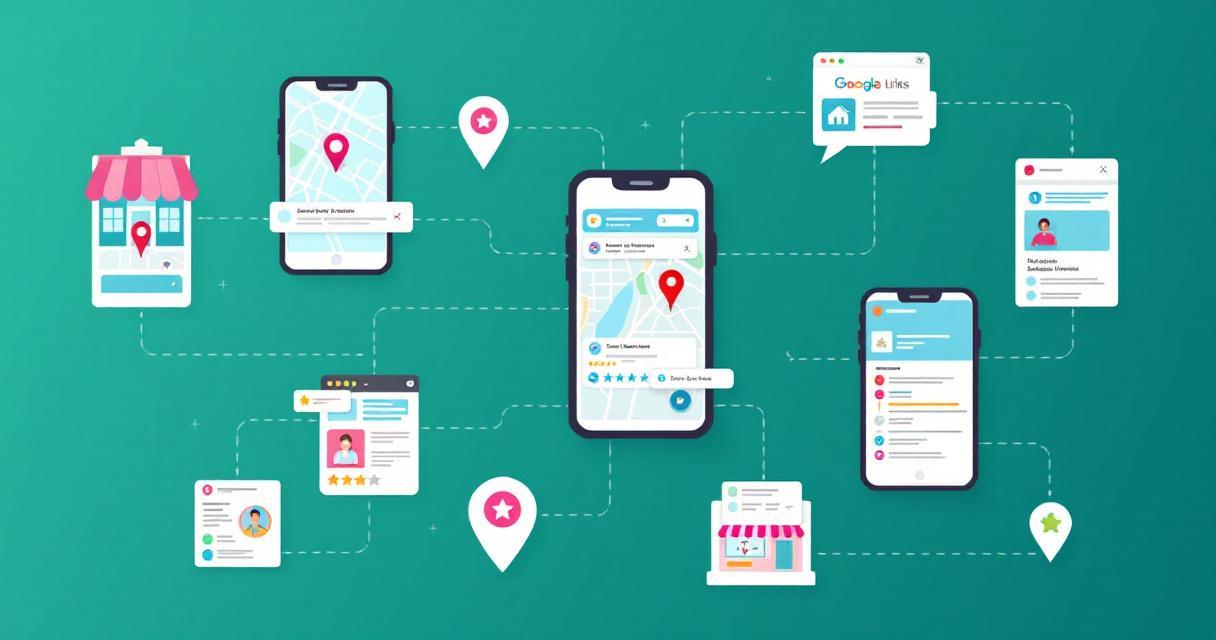
Your Business Profile is your ticket into the Map Pack. Creating it once and then forgetting it is not enough. It needs active maintenance:
- Complete information. Fill in every field. Name, address, phone number, website, opening hours, categories, attributes. Google rewards completeness.
- Upload photos. Businesses with photos receive 42% more requests for directions. Real photos, not stock — of your premises, your team and your work.
- Publish posts. Google Business has a posting feature. Use it. Current offers, news, photos — these signal to Google that your business is active.
- Collect and respond to reviews. Every review counts. Every reply shows engagement. Google sees both.
The Map Pack is like a shop window on the main road. Three places, thousands of applicants. Those who get in sell. Those outside watch.
The role of your website
Your Google profile alone is not enough. Google compares the information in your profile with your website. If your website says you work in Waidhofen and your Google profile says the same, that is a consistent signal. If the information differs, you lose points.
Your website should prominently display your local services, location and contact details. Not hidden in the legal notice, but on the homepage and every relevant page.
“Near me” searches are surging
Searches including “near me” have risen sharply in recent years. Smartphones are the reason. People search on the move, spontaneously, with clear buying intent. “Restaurant near me” means: I want to eat now. “Locksmith near me” means: I need help now.
These searches often come from people close to making a decision. Capturing them brings customers ready to buy immediately. And the Map Pack is where these customers land.
The first step
Google your industry plus your town. See who is in the top 3. Analyse their profiles — what are they doing better? More photos? More reviews? More recent posts? Usually, the difference between position 3 and position 10 is not the quality of the work. It is the quality of the online presence. And that can be improved.
Sources & further reading
- TryDecoding: 40+ Local SEO Stats 2026 46% of all Google searches have local intent
- Markterior: Local SEO Statistics 2026 The top 3 local results receive 70% of clicks
- BloggingWizard: Google Business Profile Statistics 2026 Current figures on the impact of Google Business Profiles
- WordStream: 101 SEO Stats 2026 Current SEO statistics and benchmarks for 2026
- SearchEngineJournal: Google Visibility Depends on AEO Why Answer Engine Optimisation is becoming crucial in 2026